Metrics That Matter: Proving Your Podcast’s Value Beyond Downloads
If you have ever spent hours staring at your podcast hosting dashboard, lamenting the fact that your download numbers aren't hitting the thousands, you are not alone. The industry has spent a decade conditioning creators to believe that "scale is everything." We are told that unless we hit a specific threshold of downloads per episode, we are ineligible for sponsorship, invisible to brands, and wasting our time trying to monetize. But I am here to tell you that this narrative is fundamentally flawed. In our recent conversation on 550. A Practical Guide to Podcast Sponsorships, we explored how creators are bypassing the "numbers game" by focusing on what actually drives revenue for businesses: trust, niche authority, and highly engaged communities.
The CPM Trap: Moving Beyond Raw Reach
The obsession with Cost Per Mille (CPM)—the industry standard of paying per thousand downloads—is a trap for the independent creator. CPM is a model built for mass-media radio and giant network shows with massive reach. When you treat your podcast like a billboard on a highway, you are competing against everyone else for volume. However, as an independent, niche podcaster, you shouldn't be a billboard; you should be a trusted advisor.
When you focus purely on CPM, you are essentially commoditizing your audience. You turn them into a statistic rather than a community. Brands today are increasingly wary of "vanity metrics." A million downloads mean nothing if none of those listeners actually take action. By shifting your focus away from the CPM trap, you open the door to value-based pricing, where you are paid for the depth of your influence rather than the width of your reach.
The Power of Audience Trust and Niche Authority
Imagine you have a podcast about beekeeping. You might only have 200 listeners per episode, but those 200 listeners are highly passionate, active beekeepers who spend significant money on equipment, training, and supplies. Compare that to a general interest comedy podcast with 5,000 listeners who are just looking for a laugh. If a company sells specialized honey-harvesting gear, who is going to provide a better return on investment? The answer is obvious.
Niche authority is the most valuable currency you possess. When your listeners trust your recommendations, your endorsement acts as a shortcut through the consumer's decision-making process. Sponsors want to tap into that trust. They don't just want your airtime; they want your stamp of approval. This is the difference between an ad and an endorsement. When you lean into your niche, you aren't just selling ad space; you are providing a direct bridge between a brand and an audience that is primed to purchase.
Key Engagement Metrics: What Sponsors Actually Want to See
If downloads aren't the primary metric, what should you be putting in your media kit? Sponsors are interested in the "intent" of your audience. Here are the metrics that actually carry weight:
- Conversion Rates: If you use a custom URL or a discount code, track how many listeners use it. Even if your audience is small, a high percentage of "converters" is a massive selling point.
- Email List Growth: If your show drives people to a newsletter or a lead magnet, this proves you can move an audience across platforms.
- Community Interaction: Do you have a Discord server, a Facebook group, or a high volume of thoughtful comments on your social posts? This proves that your listeners are active participants, not passive consumers.
- Listener Retention: If your analytics show that 80% of your audience stays through the entire episode, that shows incredible stickiness. A brand would rather have 500 listeners who hear their ad in full than 5,000 who skip it halfway through.
How to Document and Present Your Qualitative Value
You cannot win on data alone; you must master the art of storytelling. When you present your podcast to a potential sponsor, don't just send a PDF with a download count. Create a "Case Study" section in your pitch deck. Did a listener write to you saying your show helped them solve a problem? Did a product recommendation lead to a testimonial? These anecdotes are qualitative data.
Visualizing your audience through listener personas can also be incredibly effective. Instead of saying "I have 500 listeners," try saying, "My audience consists of mid-level project managers in the tech sector who are actively looking for workflow solutions." By defining exactly who is listening, you make it easy for a brand to see themselves in your show.
Leveraging AI to Identify the Perfect Brand Partners
One of the biggest hurdles in sponsorship is not knowing who to pitch. Fortunately, we live in the era of AI-driven research. You can use tools like ChatGPT or Claude to analyze the market. Input your show’s description, your listener profile, and your mission statement, and ask the AI to identify companies that share your values or solve the specific problems your listeners face.
Furthermore, use AI to analyze the marketing materials of potential sponsors. Look at their own blog posts, their social media content, and their press releases. If you can understand the language a brand uses to describe their own value, you can mirror that language in your pitch. It shows that you aren't just looking for "any" sponsor, but that you have done the homework to understand how to help them reach their goals.
The Art of the Warm Outreach: Building Relationships Before the Pitch
Never send a cold, generic "I have a podcast, would you like to sponsor me?" email. It will be deleted immediately. Instead, treat sponsorship like B2B sales. Identify the marketing manager or the brand lead on LinkedIn. Engage with their content for a few weeks before you even mention the podcast. Share their posts, leave thoughtful comments, and become a familiar face in their digital ecosystem.
When you do reach out, your pitch should be about them, not you. Frame the partnership as a solution to their problem. "I’ve been following your company’s work on X, and it aligns perfectly with the conversations we’ve been having on the podcast. I believe there’s a unique opportunity for us to share your mission with my highly engaged community." This shifts the dynamic from you begging for money to you offering a strategic partnership.
Conclusion: Turning Your Loyal Community into a Sponsorship Asset
Securing a sponsorship is not a game of quantity; it is a game of alignment. If you can provide a brand with access to a group of people who trust you, take action on your advice, and engage with your content, you are worth far more than a show with ten times your downloads but zero community connection. By focusing on your niche authority, documenting your qualitative wins, and engaging in intentional, warm outreach, you can build a sustainable, profitable podcast that serves both your listeners and your bottom line.
To dive deeper into the tactics and specific strategies for implementing this approach, I highly recommend checking out our full episode: 550. A Practical Guide to Podcast Sponsorships. We break down the exact steps to build your media kit, the best ways to approach brands, and how to negotiate terms that go far beyond a simple CPM rate. Stop chasing the vanity numbers and start building the authority that makes you an indispensable partner to the brands you love.

Host / Executive Producer
With a career spanning 20+ years in podcasting, Marc Ronick is the driving force behind iRonick Media and founder of the Empowered Podcasting Conference. His innovative approach to audio & video content, including the integration of AI-driven tools, has set new industry standards. As a daily social audio host on Clubhouse, Marc engages with fellow podcasters, sharing insights on everything from mindset to the latest news in podcasting. His commitment to empowering others and his passion for creativity make him a sought-after voice in the podcasting community.
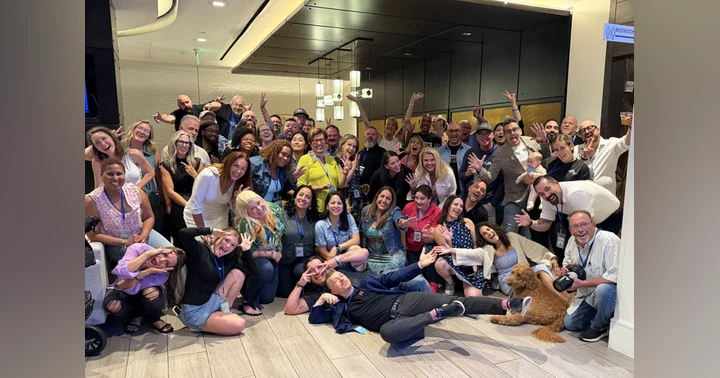
When You Find Your People You Become Empowered